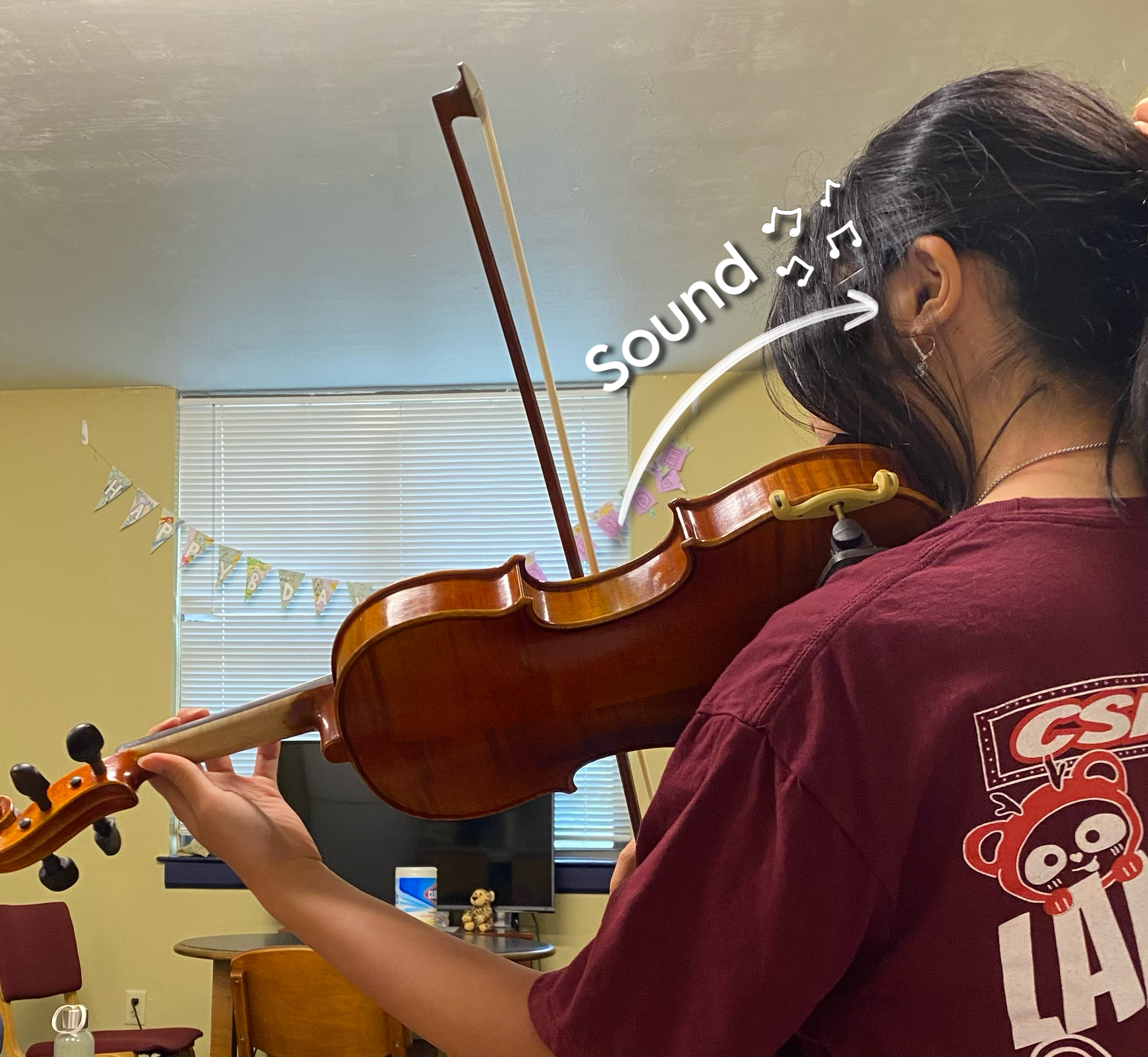
Cover image was taken by the author and edited in Picsart.
Sometimes, what is most important to us is what we take for granted. For a musician, that is their hearing, although most of us don’t take many steps to preserve it, often going to rehearsal or lessons without any form of hearing protection. For a school musician, this means going a few hours a week being exposed to loud noises without any way to block them, and for a professional, this duration is even longer. If we don’t want to lose our hearing to the piercing sound of a piccolo in our ears, it’s possible we might have to make some changes to the way we rehearse.
Hearing Loss in Musicians Compared to Other Professions
Some might question whether playing an instrument actually increases hearing loss or if there is a larger outside factor at play. To investigate this, a study was conducted comparing the hearing loss of people with a variety of different backgrounds and found that professional musicians were 3.51 times more likely to have noise induced hearing loss and 1.45 times more likely to have tinnitus (Schink et al., 2014), which suggests that the job that someone works in has a large impact on that person’s hearing. This makes sense considering the significant amount of time the average adult spends working. Musicians tend to get the short end of the stick here as a good portion of that time is spent listening to loud music, which oftentimes when playing is right in your ear.
Reducing Ear Damage
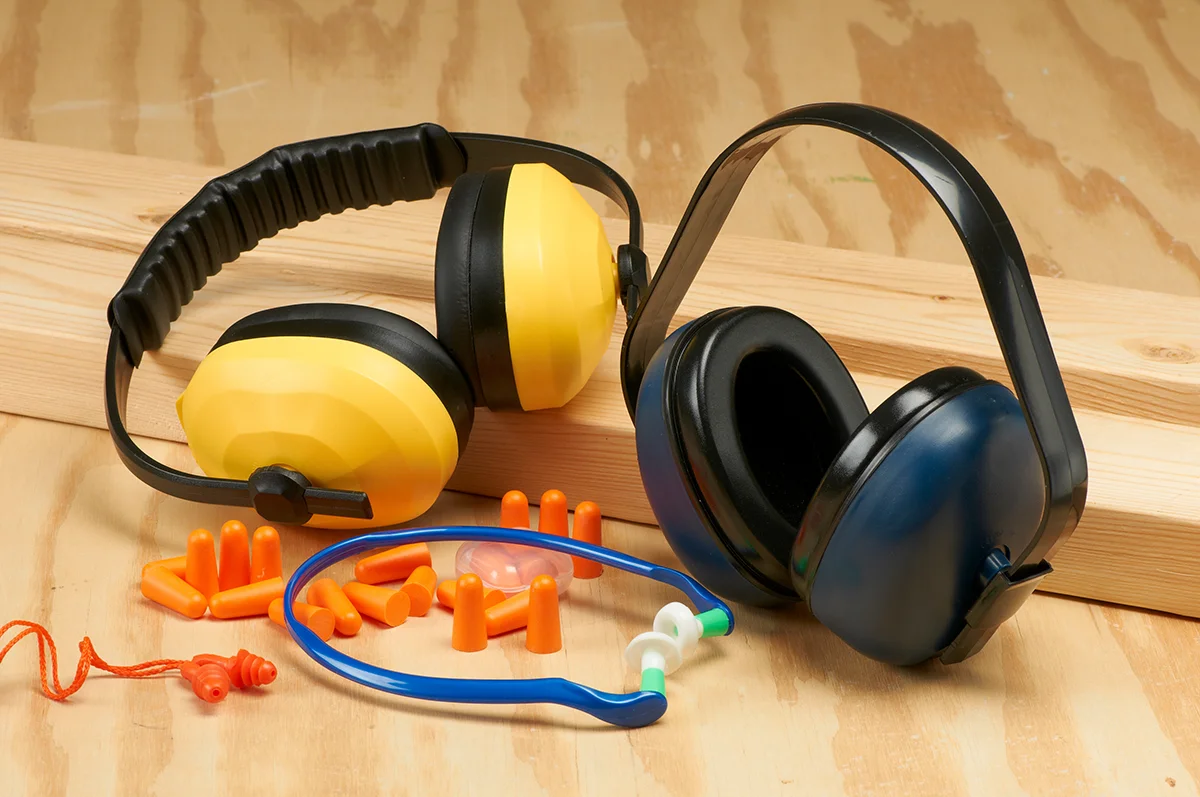
Since the consequences of continued exposure to loud noise can become severe over time, it is important to take steps in order to prevent excessive damage. First and foremost, musicians should be aware of the risks that long periods of practice can have on their hearing; they should be able to watch for warning signs and know what safe sound levels are (85 dB TWA (time-weighted average) for eight hours in one day, which is around the noise level of a food blender, heavy traffic, busy restaurant, or movie theater (How Loud Is 85 Decibels | What Does 85 DB Sound Like, 2021)). It is also beneficial to get an audiogram and have access to a sound-level meter to make sure you aren’t exceeding the safe sound levels (Chesky, 2008). Also, most students have some sort of hearing protection device or HPD (around 69% percent according to one study) that they can use during rehearsal to block some of the sound (Olson et al., 2016).
The Great Balance
If the measures to be taken are seemingly so obvious and simple, why aren’t they more common? Even if the resources are readily available, it turns out that protecting one’s hearing still comes with its downsides. According to several music students, even though there are clear advantages to using things like HPDs, such as hearing preservation, reduction in noise exposure, and the ability to play longer without taking breaks, there are also significant disadvantages to consider like decreased auditory perception, issues with communication, less comfort, and many reported improved performance when not using HPDs (Olson et al., 2016). The goal of an ensemble is to make music that sounds good (well, and have fun, hopefully), so naturally, the musicians in an ensemble would not want to sacrifice their sound to protect their hearing, which is something they might not even be conscious of because damage happens gradually.
So how do we balance the desire to play well with the desire not to go deaf before we get old? Perhaps this will be a question better answered in the future, maybe even by someone reading this article, and we’ll have a device that still lets us hear everything we need to without all of the damage. Maybe we’ll have a way to reverse hearing loss that’s as easy as drinking medicine to cure a cold. But for now, while maybe not during performances, we can just do what we can, however little it may seem, to protect one of our precious senses. We only have five, after all.
References
Chesky, K. (2008). Preventing Music-Induced Hearing Loss. Music Educators Journal, 94(3), 36–41. https://www.jstor.org/stable/4623689
How Loud Is 85 Decibels | What Does 85 dB Sound Like. (2021, November 18). Decibel Meter App | Best Digital Sound Level Meter for Your Smartphone. https://decibelpro.app/blog/how-loud-is-85-decibels/
Lowery, K. (2023). How to choose the best hearing protection [Online Image]. In audibel.com. https://www.audibel.com/preventative-care/the-best-hearing-protection/
Olson, A. D., Gooding, L. F., Shikoh, F., & Graf, J. (2016). Hearing Health in College Instrumental Musicians and Prevention of Hearing Loss. Medical Problems of Performing Artists, 31(1), 29–36. JSTOR. https://www.jstor.org/stable/48714485
Schink, T., Kreutz, G., Busch, V., Pigeot, I., & Ahrens, W. (2014). Incidence and relative risk of hearing disorders in professional musicians. Occupational and Environmental Medicine, 71(7), 472–476. JSTOR. https://www.jstor.org/stable/43869897