Introduction
DIY nail-art kits have skyrocketed in popularity since the Covid-19 pandemic, but what happens when your beloved nails and hobby turn into an allergy? Nail artists and people doing their nails for fun have started noticing their fingers becoming dry, red, and itchy after continuous use of gel-nail polish. Gel-nail polish, especially when left undercured, can lead to contact dermatitis, an allergic reaction causing itchy skin and a rash (Contact Dermatitis – Symptoms and Causes, 2024). Recent studies have shown that the materials used in gel-nail polish, specifically acrylates, have led to an uptick in contact dermatitis.
What is in my nail kit?
Gel nail-polish is a thin polish that is applied to the nail and then cured under UV-light. The main materials in gel-nail polish are acrylates (Baek & Adler, 2024). Acrylates are the salt form of acrylic acid, which is a type of carboxylic acid with a conjugated pi system, meaning there are alternating double bonds within the molecule (Acrylates, n.d.).
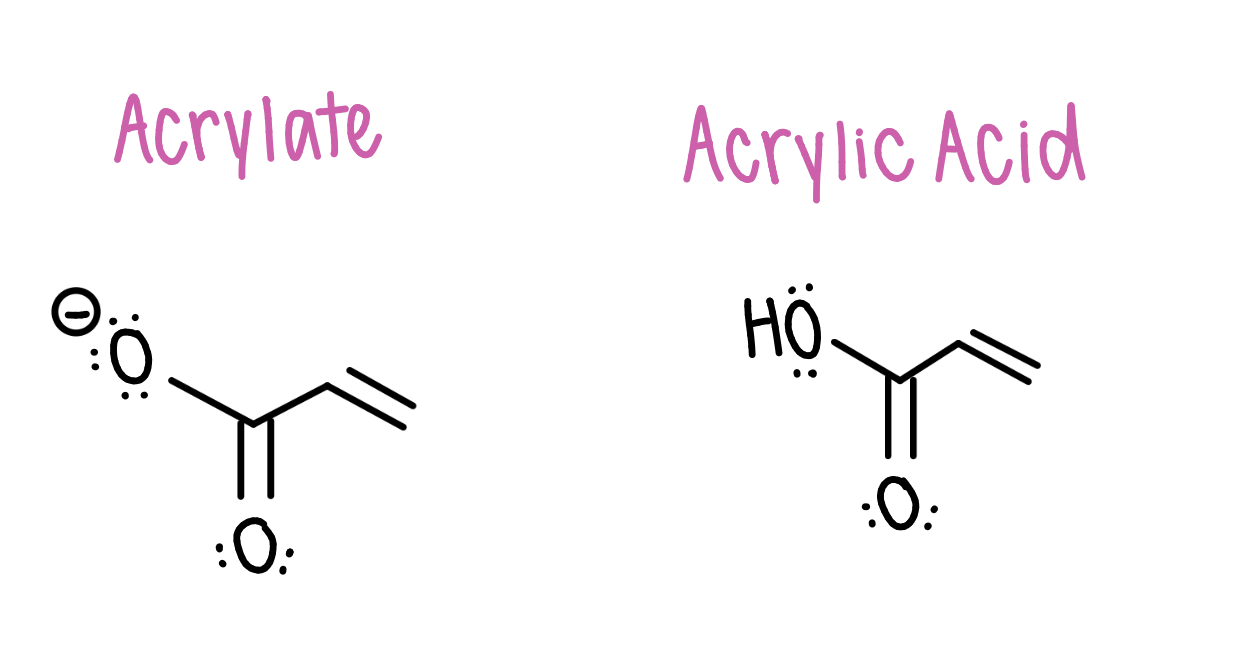
Acrylates are known to cause allergic reactions when left uncured, partially uncured, and over multiple uses even if cured (Home of Nail Organization, n.d.). However, cases of contact dermatitis resulting from gel-nail polish use typically involve polishes that include isobornyl acrylate (IBOA) (Baek & Adler, 2024). Despite being present in just 1.5% of gel-nail polish, many polishes don’t list IBOA as an ingredient despite studies proving IBOA is in the polish (Baek & Adler, 2024). As stated previously, acrylates in general are known to cause allergic reactions, but the prevalence of allergic reactions to gel-nail polishes containing IBOA and the lack of proper ingredient reporting may be causing more people to develop contact dermatitis (Baek & Adler, 2024).
What is the solution?
There may be another solution to avoiding this allergy other than giving up on gel-polish. Methacrylates, which is the salt form of methacrylic acid, are similar to acrylates except for the additional methanol group in place of a hydrogen (Acrylates, n.d.).
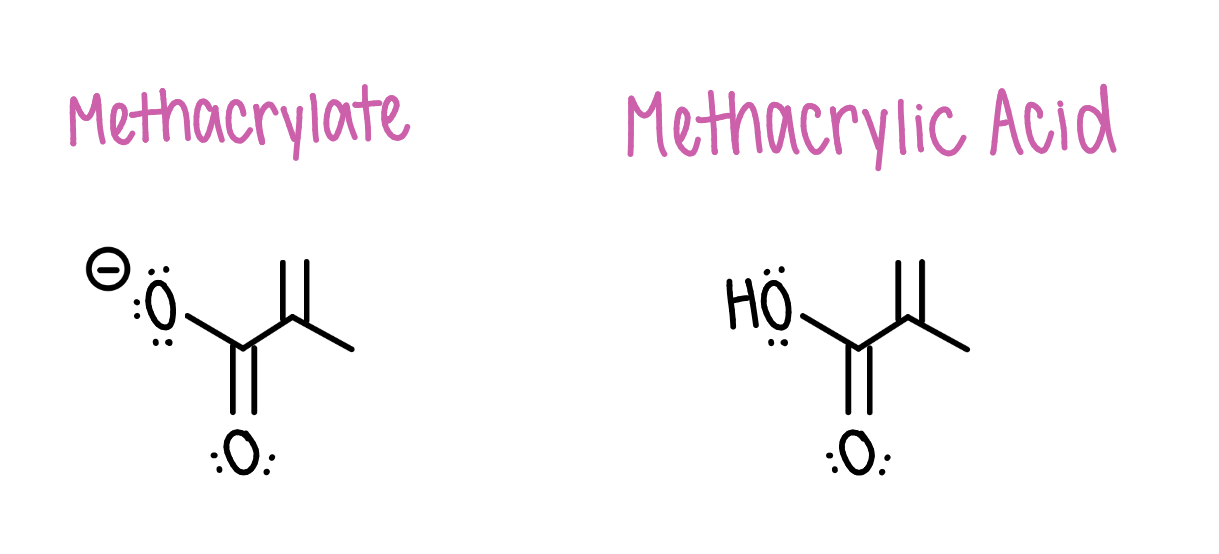
Although methacrylate-base gel-polish cures more slowly, it causes less allergic reactions, and is being used in more polishes as an alternative to acrylates (Home of Nail Organization, n.d.). A dermatological study from Sweden has shown that gel-polishes made with methacrylates led to less positive patch tests than gel-polishes made from acrylates (Dahlin et al., 2016). A patch-test is a test for a skin-based allergic reaction. A patch with a small amount of a potential allergen is applied to the skin for a period of time and then removed to see if the patch contained an allergen (Patch Testing for Skin Allergies: Procedure & Results, 2025).
There were still cases of contact dermatitis occurring from methacrylate-based gel-nail polish. While some of these cases were tied to small methacrylates, many of them were caused by polymerized methacrylates, which is a larger chain of methacrylates, specifically di-hydroxyethylmethacrylates (HEMA). Despite these cases, acrylates may still be the culprit to contact dermatitis in gel-olish as the study did not investigate the purity of these polishes, especially for the containment of acrylates in the polish (Dahlin et al., 2016).
Conclusion:
Gel-nail polish usage has caused contact dermatitis in nail artists and non-professionals alike. Acrylates and methacrylates can both cause these unwanted allergic reactions, but research has shown a stronger correlation between acrylates and contact dermatitis. Additionally, specific acrylates, ones known to cause higher rates of contact dermatitis, have been left unreported by manufacturers. Manufacturers don’t report the purity of the ingredients used in home-nail kits either, making you wonder what’s really in your nail polish and how you can protect your skin from allergies.
References:
Acrylates. (n.d.). Safe Cosmetics. Retrieved April 10, 2026, from https://www.safecosmetics.org/chemicals/acrylates/
Baek, P., & Adler, B. L. (2024, July). Allergic contact dermatitis to isobornyl acrylate in a home nail glue. Contact Dermitis, 91(1), 64-66. https://doi.org/10.1111/cod.14541
Contact dermatitis – Symptoms and causes. (2024, May 2). Mayo Clinic. Retrieved April 9, 2026, from https://www.mayoclinic.org/diseases-conditions/contact-dermatitis/symptoms-causes/syc-20352742
Dahlin, J., Berne, B., Duner, K., Hosseiny, S., Matura, M., Nyman, G., Tammela, M., & Isaksson, M. (2016, September). Several cases of undesirable effects caused by methacrylate ultraviolet-curing nail polish for non-professional use. Contact Dermatitis, 75(3), 151-156. https://doi.org/10.1111/cod.12608
Home of Nail Organization. (n.d.). The Difference Between Acrylates & Methacrylates in the Nail Formulas. Home of Nail Organization. https://www.homeofnailart.com/blogs/knowledge-hub/understanding-acrylates-and-methacrylates-in-the-nail-industry-more-than-just-a-name?srsltid=AfmBOoq1e_vC7XlGEZpMAGF27cLzBMSHEsosthYFAWRRzrgMu6EICJS0
Patch Testing for Skin Allergies: Procedure & Results. (2025, April 21). Cleveland Clinic. Retrieved April 10, 2026, from https://my.clevelandclinic.org/health/diagnostics/patch-test