I’m making a short film! I’m taking Video Production (LMC3406) this semester, and it’s been an absolute blast! To be completely honest, it was the class I looked forward to the most every week. I love how human the filmmaking process is, and I found a lot of fulfillment working with my classmates and bringing our individual visions to life with one short film each lab (class).
The final project for the class is to write, produce, and direct a short film about whatever we want (minimum 2 mins, maximum 10 mins). Since pre-production, I’ve wanted to write a story that’s relatable, whimsical, and simple/practical to execute, because I wasn’t sure I would be able to recruit enough people and/or schedule/organize filming around several people’s schedules. My short film is based on my own story. It follows two characters, my boyfriend and I, on an aquarium date! Even though I was more interested in cinematography than writing a complex story, I felt my short film could use a bit more substance, so towards the end, the two characters share this conversation about the fear of the future and living life fully.
For this film, I wanted it to feel nostalgic, wholesome, heartwarming, and bittersweet. I wanted the viewer to feel comforted and hopeful. While I’m not done editing my short film, I can show a comparison with stills and how color can change the mood of a scene.
These are some screenshots from Davinci Resolve, the video-editing software I’m using to film my project, and what you see here is the log footage and two color-graded versions of the log footage.
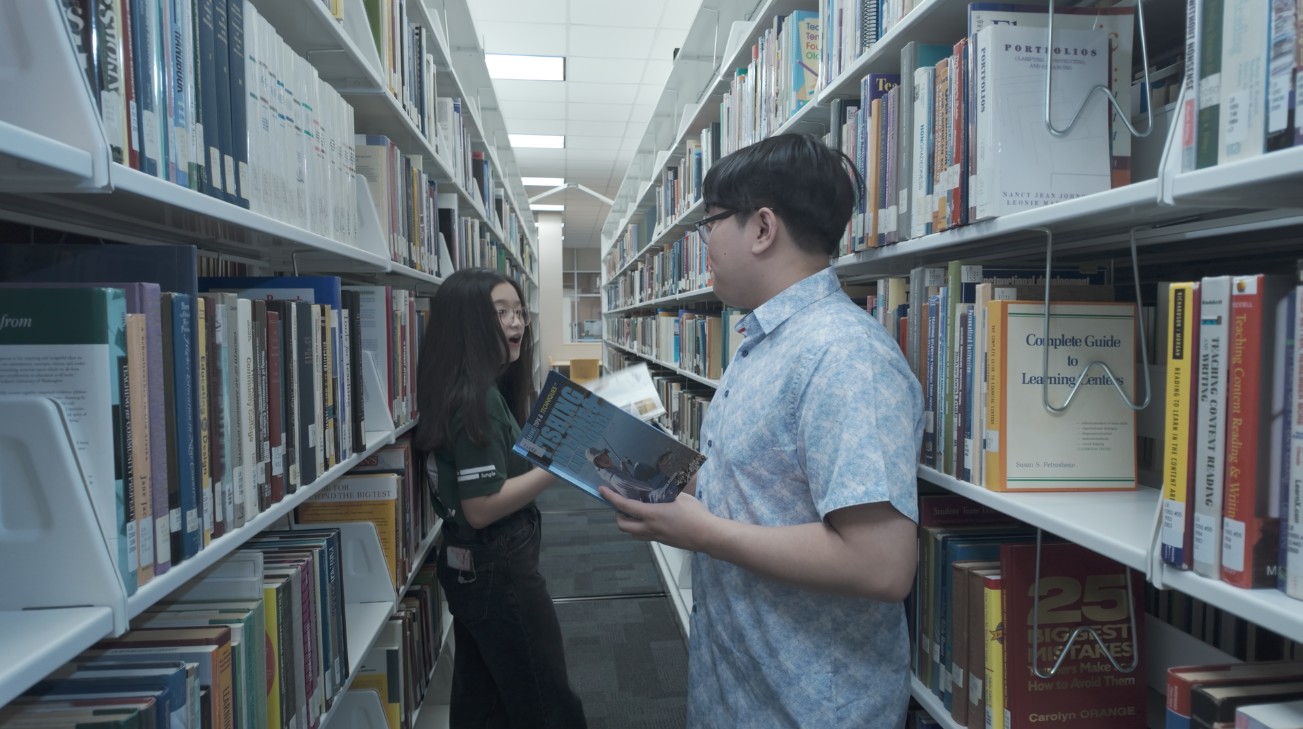
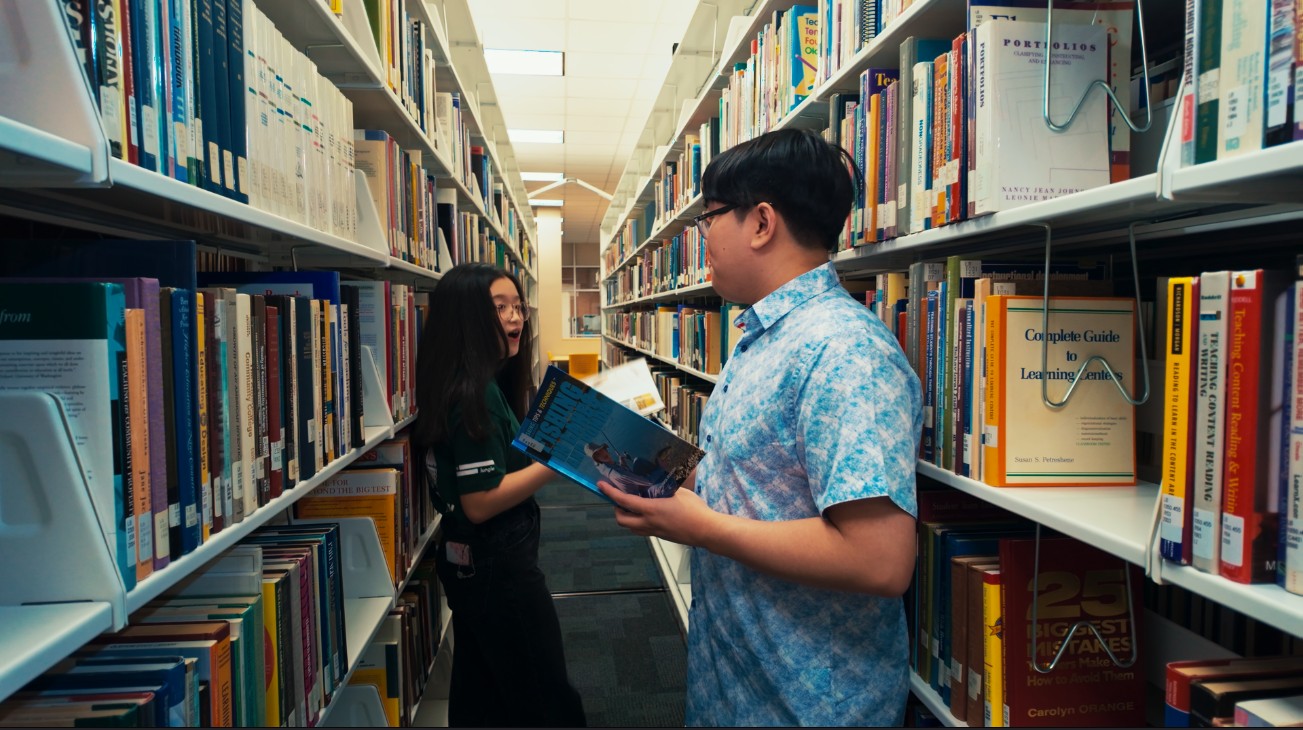
In the first color-graded version, the scene is more warm-toned. The colors are vibrant, the yellows and oranges are strong and visible, whereas with the second color-graded version, the scene is more cool-toned. The colors there lean more blue, the skin appears pale, and the scene is less saturated and devoid of color.
Two researchers conducted a comprehensive systematic review of the results from 132 empirical articles on color-emotion connections. For instance, warm colors such as yellow and orange were “linked to positive and high arousal emotions (e.g., happiness, pleasure, fun, excitement, surprise)” (Jonauskaite & Mohr, 2025). In some studies, blue was found to be linked to positive (“comfort, happiness, relaxation”) and negative (“sadness”) emotions (Jonauskaite & Mohr, 2025). According to a different study, brighter and more saturated colors were found to be more pleasant than desaturated colors (Pazda et al., 2024).
The colors of a scene can greatly affect the mood and evoke certain emotions. The next time you watch a show or movie, pay attention to the choice of colors and the possible intentions behind it!
References:
Jonauskaite, D., & Mohr, C. (2025). Do we feel colours? A systematic review of 128 years of psychological research linking colours and emotions. Psychonomic Bulletin & Review, 32(4), 1457–1486. https://doi.org/10.3758/s13423-024-02615-z